The Role of Coaching in Retirement Lifestyle Clubs
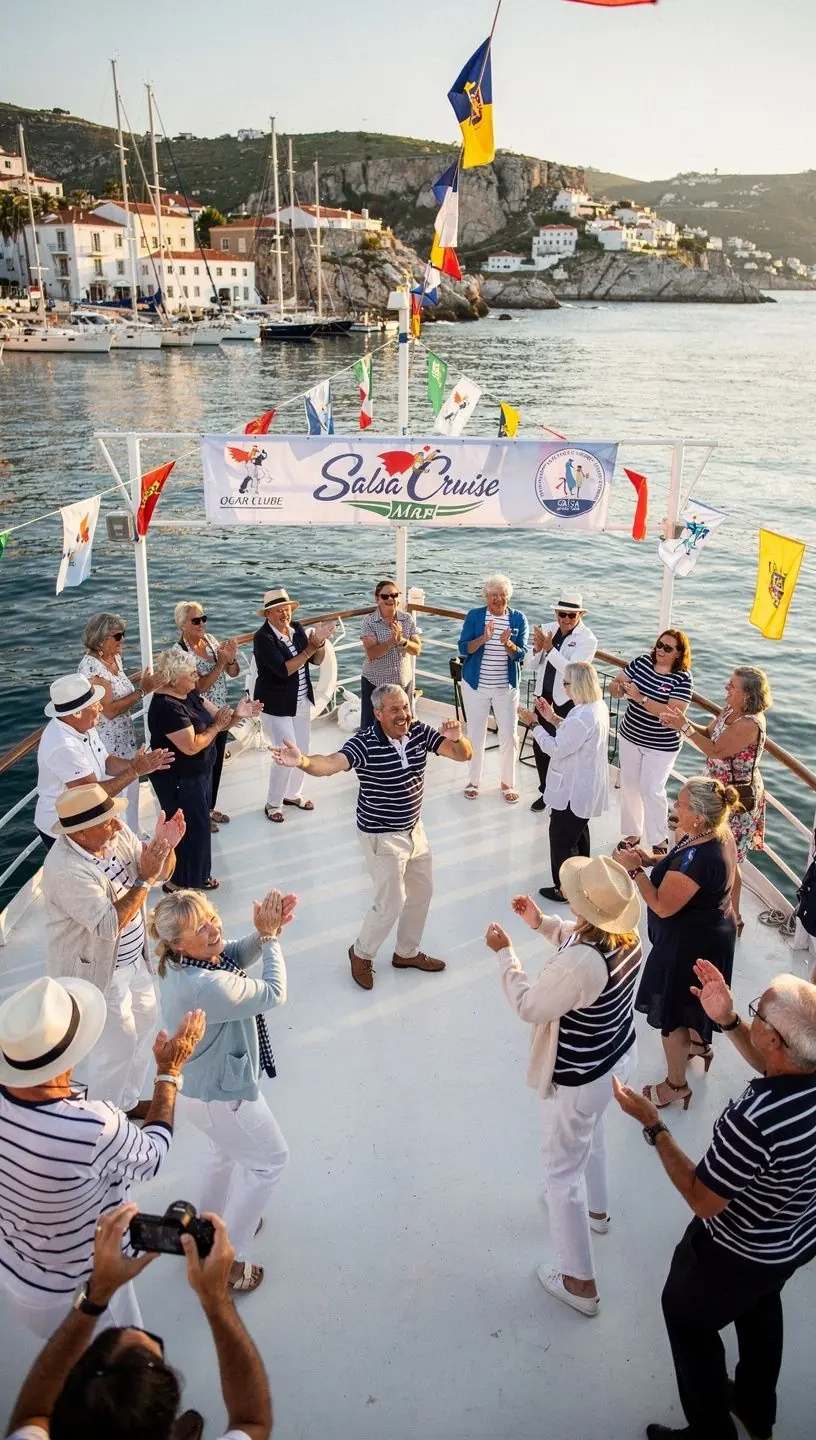
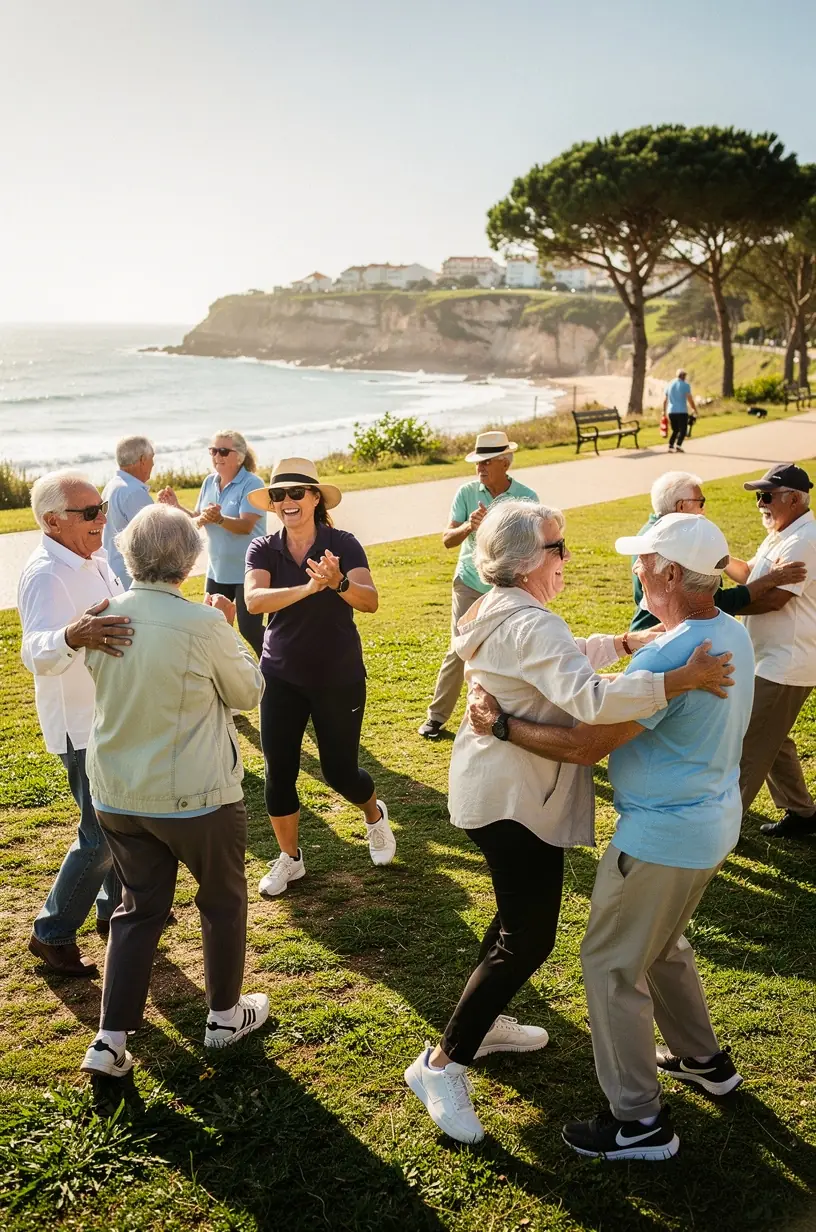
As more individuals transition into retirement, the pursuit of a fulfilling lifestyle often leads them to join retirement lifestyle clubs. These clubs, which combine coaching services with social activities like bachata and salsa, offer a unique way to enhance one's retirement experience. In this article, we will explore the significant role that coaching plays in these clubs and how it can foster personal growth and community connection.
Understanding the Basics of Coaching
Coaching, particularly in the context of retirement, typically focuses on helping individuals identify goals, develop skills, and enhance personal well-being. According to a study published in the International Journal of Evidence-Based Coaching and Mentoring, effective coaching can lead to improved life satisfaction and emotional well-being, especially during life transitions.

"Coaching provides individuals with the tools to navigate challenges and embrace opportunities that arise during retirement." - Coaching Expert
How Coaching Enhances Retirement Lifestyle Clubs
Coaching within retirement lifestyle clubs can significantly enhance the member experience through various methods:
- Goal Setting: Coaches assist members in articulating their personal goals, which can range from social engagement to physical health. This structured approach often leads to increased motivation and engagement.
- Skill Development: Many clubs incorporate dance classes, such as bachata and salsa, into their coaching sessions. Research indicates that engaging in such activities can improve cognitive function and emotional health, making learning enjoyable and beneficial.
- Community Building: Coaching fosters a sense of community by encouraging members to share their journeys and support each other. Studies suggest that social support is crucial for maintaining mental health in retirement.
The Process of Coaching
The coaching process within lifestyle clubs typically involves several key steps:
- Initial Assessment: Coaches conduct a comprehensive assessment to understand each member's unique aspirations and challenges.
- Action Plan Development: Collaboratively, the coach and member create an action plan that outlines specific, measurable goals and steps to achieve them.
- Regular Check-Ins: Ongoing sessions provide accountability and encourage reflection on progress, allowing for the adjustment of goals as necessary.
Acknowledging Limitations
While coaching can be highly beneficial, it is essential to recognize its limitations. Typically, the coaching process can take several months to yield noticeable results, and members are encouraged to commit time and effort to their growth. Furthermore, coaching is most effective when individuals are open to change and willing to engage in self-reflection.
Conclusion
Coaching plays a pivotal role in retirement lifestyle clubs by enhancing personal development and fostering community connections. By setting realistic goals and engaging in enjoyable activities like dance, members can enjoy a fulfilling retirement experience. While the journey requires time and dedication, the potential benefits can lead to a richer, more satisfying retirement lifestyle. For those considering joining a retirement lifestyle club, understanding the coaching process is a valuable first step towards embracing this new chapter in life.