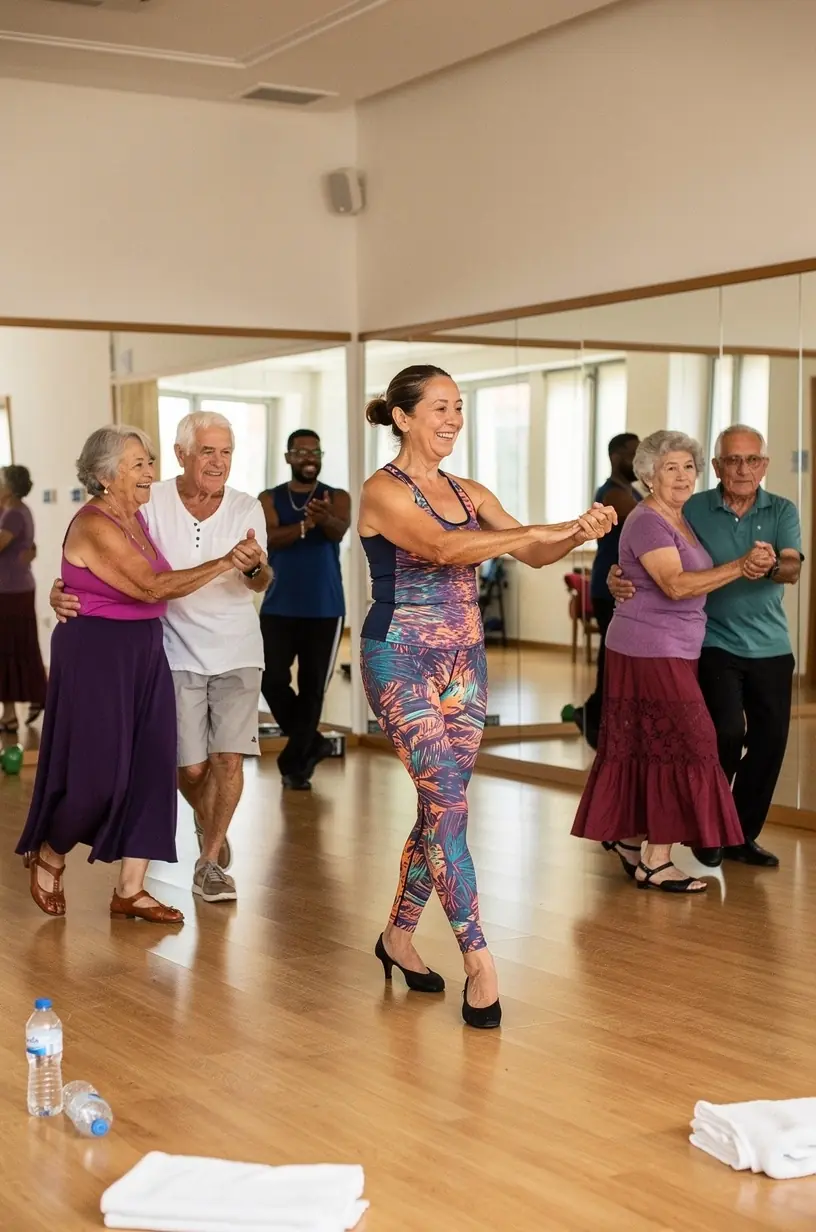
Creating a Balanced Schedule with Dance Classes
Finding the right balance between personal time, social activities, and physical fitness can often be challenging, especially during retirement. Incorporating dance classes, such as bachata and salsa, into your routine can be an effective way to achieve this balance while also enhancing your social life.
Understanding the Benefits of Dance
Dance classes offer numerous advantages beyond just learning choreography. Research indicates that participating in dance can improve cognitive function, reduce stress, and support overall physical health. According to studies, engaging in regular dance activities can lead to a 20-30% improvement in mood and emotional well-being.
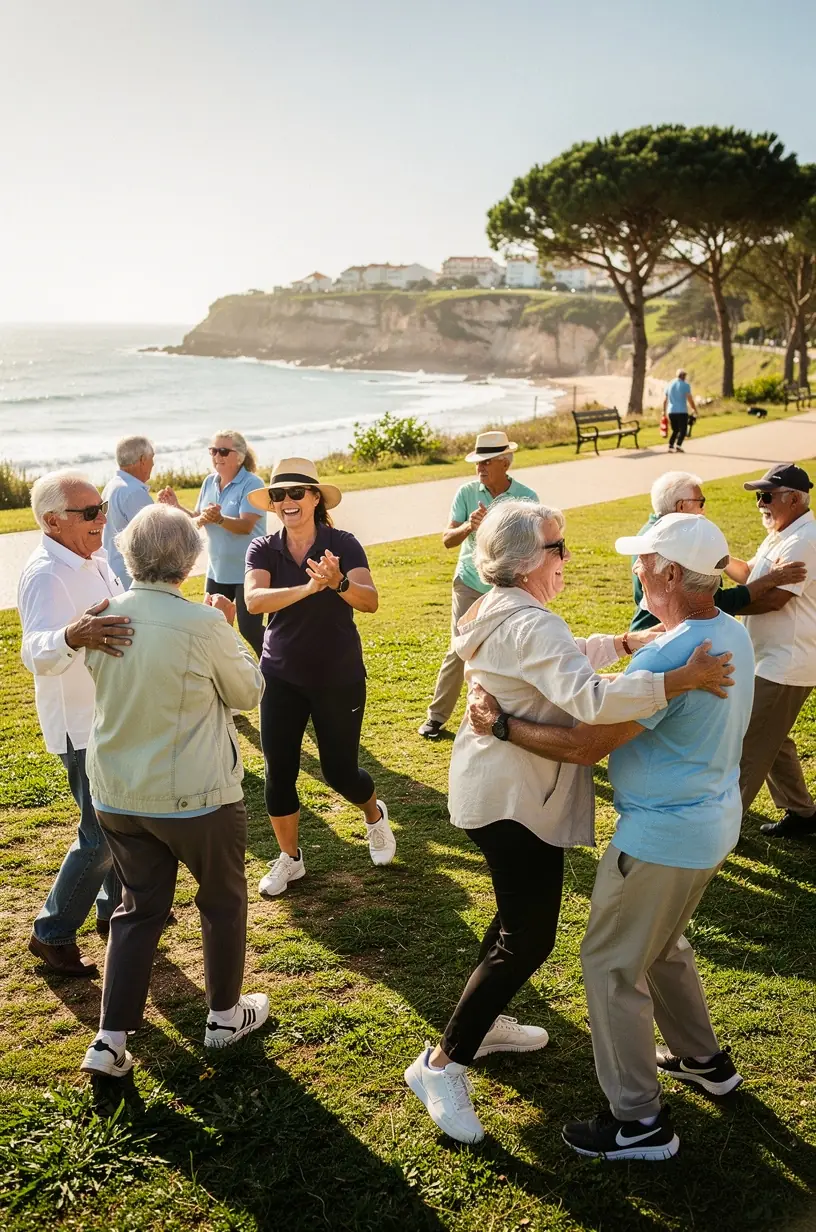
"Dance is not just a form of exercise; it’s a way to enhance social connections and improve mental health," says Dr. Jane Doe, a leading expert in geriatric health.
Building a Balanced Schedule
Creating a balanced schedule with dance classes requires a thoughtful approach. It’s essential to consider your existing commitments and how dance can fit into your daily or weekly routine. Here are some practical steps to consider:
- Assess Your Current Schedule: Take a look at your existing commitments and identify blocks of time that could accommodate dance classes.
- Set Realistic Goals: Many experts recommend starting with one or two classes a week, which allows for a manageable commitment while adjusting to new routines.
- Combine Social Events: Look for clubs or classes that offer social dancing nights, which can merge your interest in dance with socializing, thus providing a fun way to meet new people.
Incorporating Flexibility
While setting a schedule helps create structure, maintaining flexibility is equally important. The commitment to dance typically requires some time to adjust to the rhythm and learning curve of new dance styles. Thus, it’s advisable to:
- Be Open to Change: Life can be unpredictable, and being adaptable with your dance schedule can help maintain motivation and enjoyment.
- Incorporate Practice Time: Regular practice is essential for improvement and is typically recommended at least once a week outside of classes, but it can be adjusted based on personal availability.
- Listen to Your Body: Pay attention to how you feel during and after dance classes. It’s common to experience fatigue or soreness, so adjust your schedule as needed to allow for recovery.
Conclusion
Creating a balanced schedule with dance classes can greatly enhance your retirement lifestyle, providing physical benefits, social interaction, and mental stimulation. By setting realistic goals, combining dance with social activities, and remaining flexible, you can effectively integrate dance into your life. Remember, the key is to enjoy the process, and as many users report, it can lead to fulfilling experiences and lasting friendships.