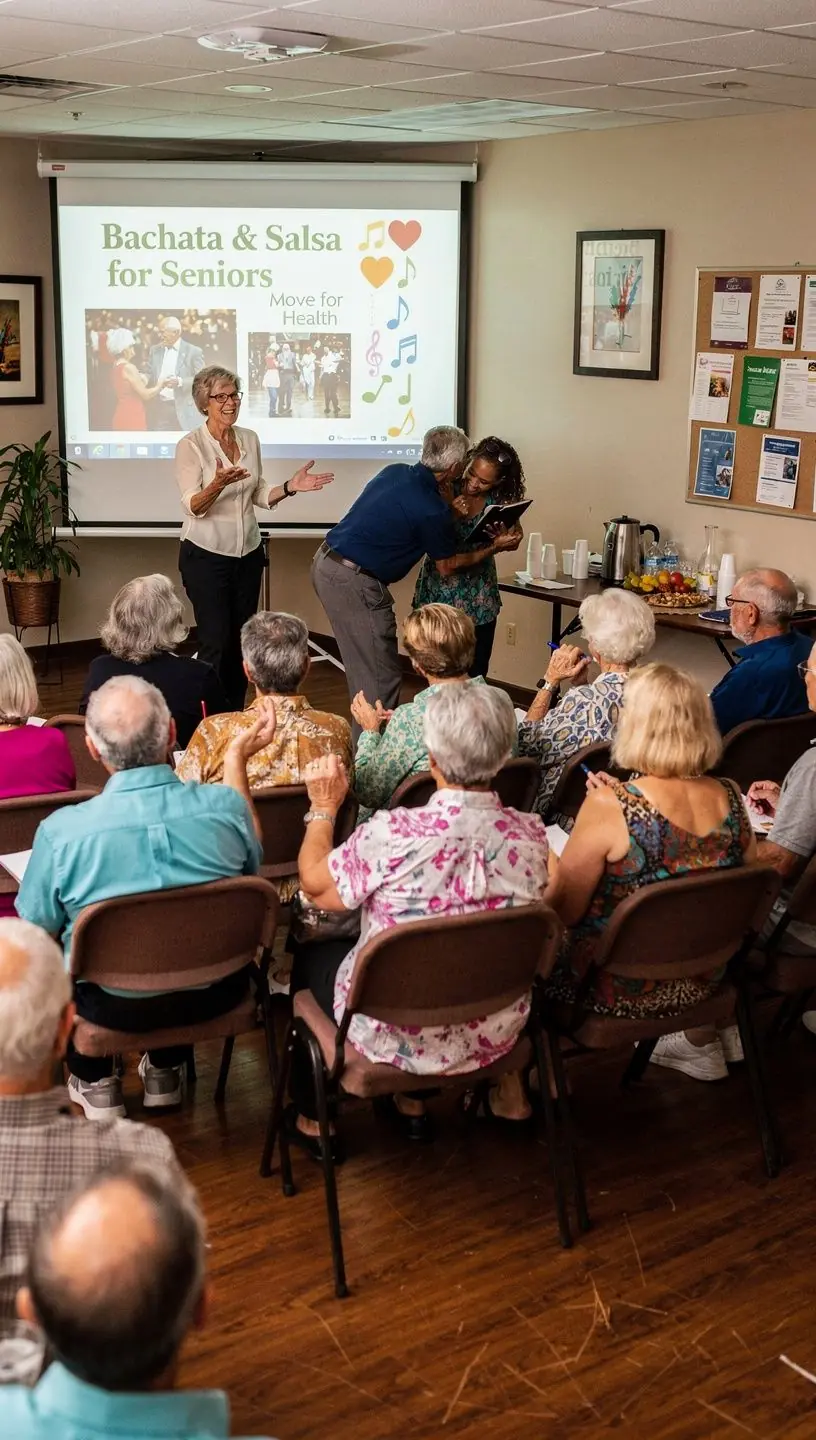
Developing New Skills Through Dance Coaching
Dancing is more than a physical activity; it's a path to personal growth and skill development. In retirement lifestyle clubs, dance coaching can serve as a dual tool for enhancing social interaction and fostering new skills. This article explores how engaging in dance, particularly styles like bachata and salsa, can facilitate learning and personal development.
Understanding the Basics of Dance Coaching
Engaging in dance coaching typically involves structured lessons that focus on technique, rhythm, and style. According to research from the Journal of Physical Activity and Health, dance can enhance cognitive abilities and physical fitness, making it an effective choice for skill development. Experts recommend starting with guided lessons to build a solid foundation in dance fundamentals.

"Dance is a language that everyone can speak, providing a unique way to express oneself while learning new skills." - Dance Expert
Benefits of Learning Dance
Learning dance, particularly in social settings, offers several benefits:
- Cognitive Engagement: Dance requires memorization of steps and routines, which can stimulate mental activity. Studies show that engaging in complex motor tasks may improve memory and cognitive function.
- Social Interaction: Participating in group dance classes encourages socialization, which is crucial for emotional well-being. Many users report feeling more connected to others after joining dance clubs.
- Physical Fitness: Regular dancing improves cardiovascular health and flexibility. Most experts agree that a consistent practice, ideally 2-3 times a week, can lead to noticeable improvements in physical health.
How Dance Coaching Works
The process of learning dance typically unfolds in several stages:
- Introduction to Basic Steps: Instructors often start with fundamental steps and body movements, making it easier for newcomers to grasp.
- Building on Skills: As students become comfortable, they gradually learn more complex sequences and patterns, enhancing their technique.
- Performance Opportunities: Many clubs organize social dance events, providing platforms for students to showcase their newly acquired skills in a friendly environment.
Setting Realistic Expectations
While learning to dance can be enjoyable and rewarding, it is important to acknowledge that it also involves a learning curve. Typically, individuals may need to invest 4-6 weeks of practice to become proficient at basic routines. Commitment and patience are key, as progress may vary based on prior experience and practice frequency.
Conclusion
Engaging in dance coaching is an effective method for developing new skills, promoting social connections, and enhancing overall well-being. As you embark on your dance journey, remember that progress takes time, and each step is a part of the learning process. With dedication and practice, many find that dance not only enriches their lives but also fosters a fulfilling retirement lifestyle.
Discover More