The Psychological Benefits of Dance for Older Adults
As we age, finding activities that enhance both mental and physical well-being becomes increasingly important. Dance, particularly styles like bachata and salsa, offers a unique blend of physical exercise and social interaction that can significantly benefit older adults. This article explores the psychological benefits of dance and how it can improve the quality of life for seniors.
Understanding the Psychological Benefits
According to research, engaging in dance can lead to improved mental health outcomes for older adults. Studies indicate that participating in dance activities can reduce symptoms of depression and anxiety. This occurs due to the dual nature of dance, which combines physical movement with social interaction.
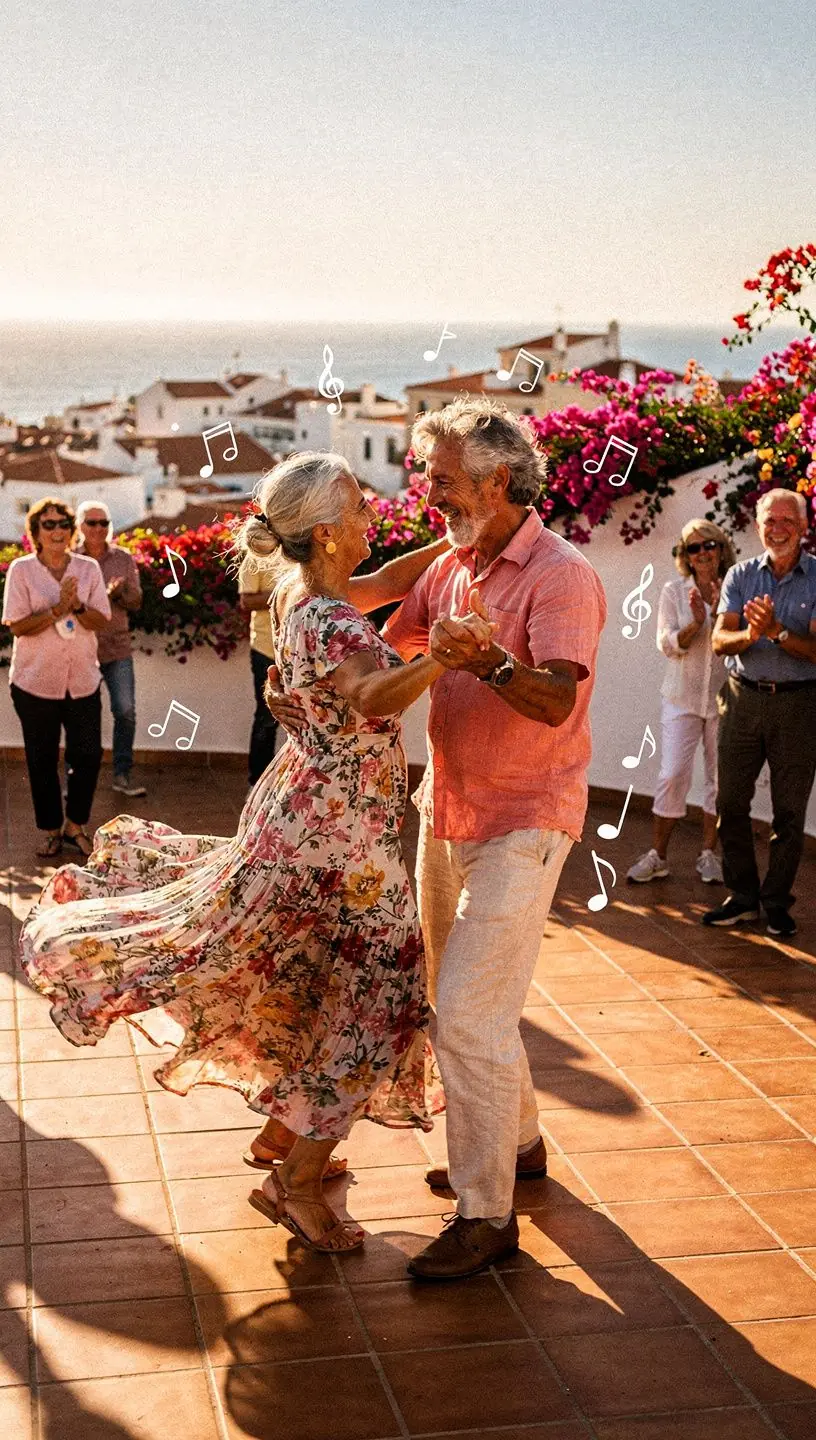
"Dance not only enhances physical fitness but also supports mental well-being, fostering a sense of community and belonging among older adults."
Cognitive Benefits of Dance
Experts suggest that dance requires cognitive engagement, which can help improve memory and cognitive function in older adults. The process of learning new dance steps stimulates the brain, encouraging neural connections that may help in staving off cognitive decline. In many cases, individuals report feeling more mentally sharp after engaging in regular dance sessions.
Emotional and Social Advantages
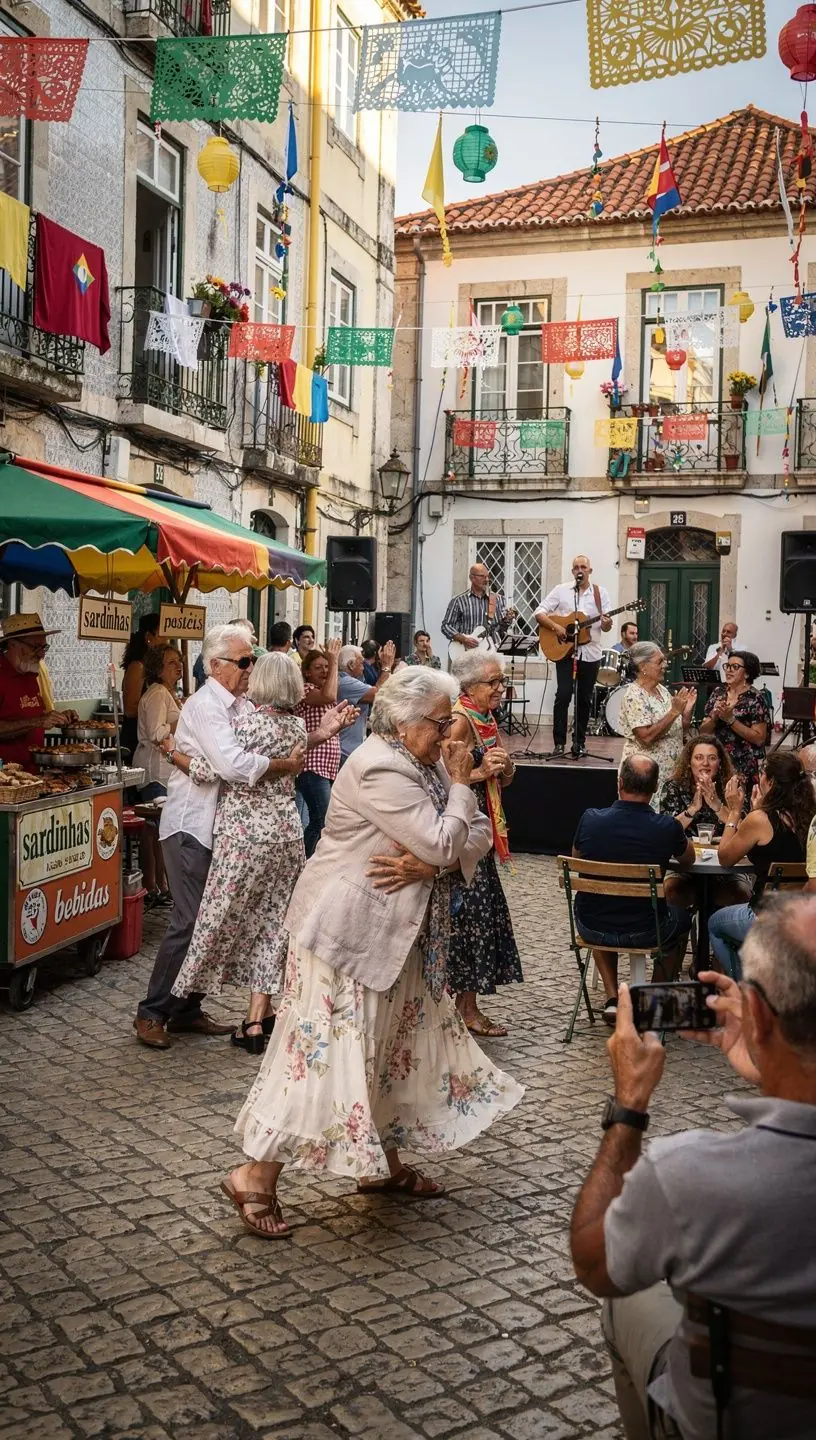
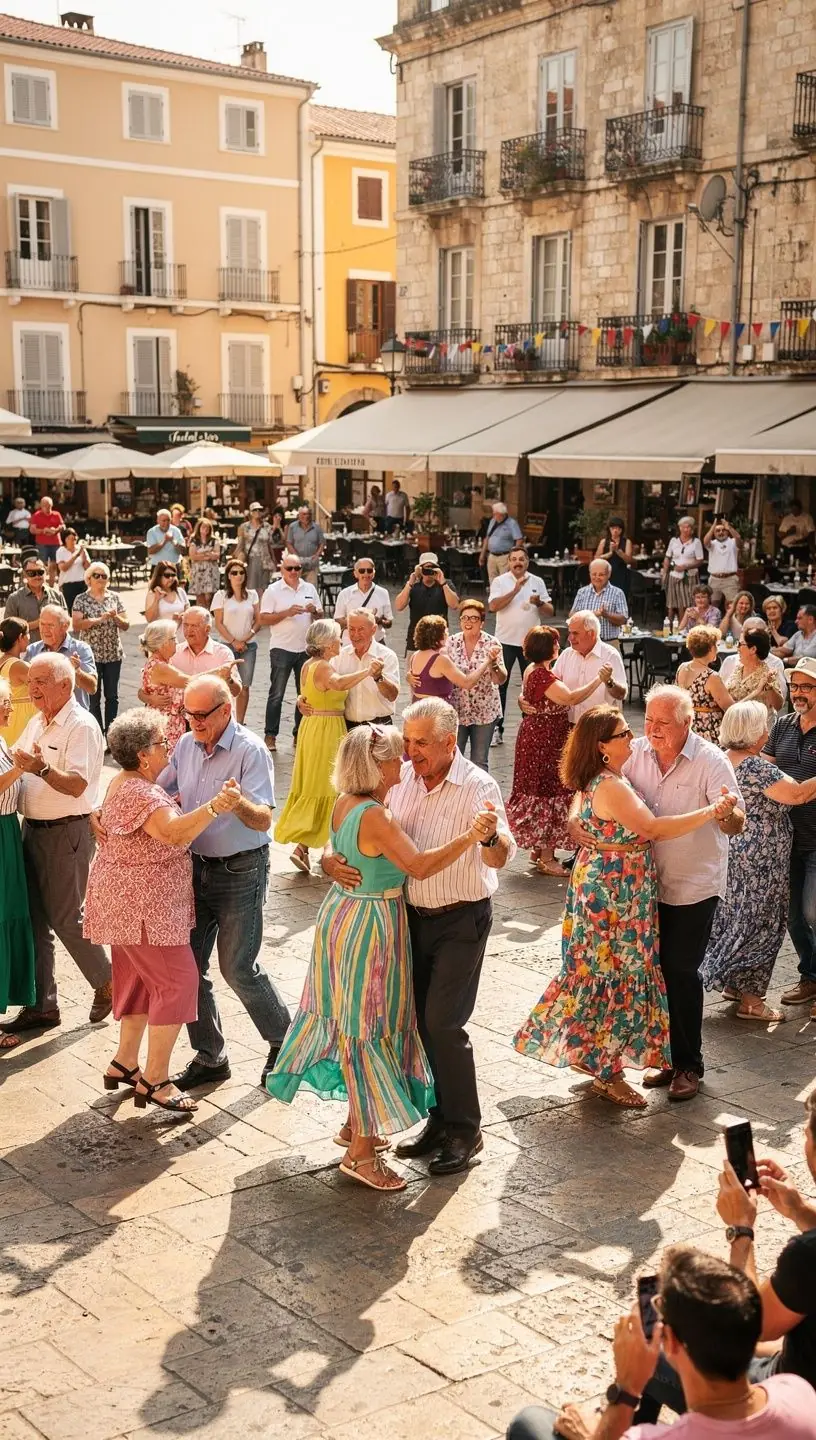
Many users report feeling a significant boost in mood and overall happiness after dancing. This can be attributed to the release of endorphins during physical activity. Additionally, dance provides a social outlet, allowing older adults to connect with others, build friendships, and combat feelings of loneliness. Social interactions are crucial for maintaining mental health, especially in later years.
How Dance Supports Emotional Health
- Increased self-esteem: Mastering new dance moves can enhance confidence and self-worth.
- Stress relief: Regular participation in dance allows for a healthy outlet to relieve stress, often leading to improved emotional regulation.
- Sense of purpose: Joining dance clubs or classes provides older adults with a structured activity, contributing to a sense of direction and purpose.
Physical Health Correlations
While the focus here is on psychological benefits, it’s important to acknowledge the physical advantages of dance. Regular physical activity is linked to a range of health benefits, including improved cardiovascular health and enhanced mobility. These physical benefits can indirectly contribute to better mental health, as physical well-being often supports emotional stability.
Getting Started with Dance
For older adults interested in exploring dance, starting with a beginner's class can be a great way to ease into this enjoyable activity. Dance classes such as bachata or salsa offer not only instruction but also a built-in community of fellow learners.
Steps to Consider When Starting
- Choose a style that interests you, such as salsa or bachata.
- Look for local clubs or community centers that offer classes tailored to beginners.
- Commit to attending regularly; typically, a consistency of 2-4 classes a month can lead to noticeable benefits.
Conclusion
In summary, dance can be an effective way for older adults to enhance their psychological well-being. By combining physical activity with social interaction, dance fosters improved mood, cognitive function, and emotional health. As many industry experts suggest, integrating dance into a regular routine may not only promote fitness but also lead to a richer, more fulfilling lifestyle. Embrace the rhythm and take the first step toward a healthier, happier you!